


AI & Machine Learning Services
Move AI from idea to business value with a clear path from discovery to deployment.
The Enterprise AI & ML Journey


Our AI Delivery Methodology
A disciplined delivery model keeps AI initiatives focused on business outcomes, technical feasibility, and responsible adoption.




AI & ML Services

AI Discovery & Strategy
Prioritize the AI opportunities that matter and define a practical roadmap for moving forward.
- AI Opportunity Assessment
- Use Case Identification and Prioritization
- Business Case and Value Modeling
- AI Readiness and Capability Assessment
- Technology and Platform Recommendation

AI Solution Design
Turn selected use cases into a clear solution blueprint aligned to business processes, data, and controls.
- Solution Architecture and Design
- Data Requirements Analysis
- Model and Approach Definition
- Integration Planning
- Technical Specification Development

AI Development & Implementation
Build and validate AI solutions against defined business, performance, and risk requirements.
- Data Preparation and Engineering
- Model Development and Training
- Model Validation and Testing
- Performance Optimization
- Documentation and Knowledge Transfer

AI Deployment & Integration
Move validated solutions into production and connect them to existing systems and workflows.
- Production Environment Setup
- API and System Integration
- Business Process Integration
- User Training and Change Management
- Launch Support and Stabilization

AI Operations & Optimization
Keep production AI reliable, useful, and aligned with changing data and business conditions.
- Model Monitoring and Alerting
- Performance Tuning and Retraining
- Drift Detection and Response
- Continuous Improvement
- Managed ML Operations

Custom AI Solutions
Develop AI capabilities for specific business problems where standard tools do not meet the requirement.
- Predictive Analytics
- Computer Vision
- Natural Language Processing
- Recommendation Systems
- Intelligent Automation
AI Discovery Service
Start with a structured discovery engagement to identify where AI can create value, what data and capabilities are required, and which initiatives should move forward first.
Data Audit
Assess data availability, quality, accessibility, governance, and suitability for priority AI use cases.

Process Analysis
Review business processes to identify repetitive work, bottlenecks, decision points, and automation opportunities.

Use Case Ideation
Develop and prioritize use cases based on business value, feasibility, risk, and required change.

ROI Modeling
Define expected business outcomes, investment requirements, dependencies, and measures of success.

Roadmap Planning
Create a phased implementation plan with priorities, milestones, dependencies, ownership, and success measures.

Capability Assessment
Evaluate internal skills, operating readiness, and where external support may be required.

What We Discover
AI Discovery provides a clear view of
- Quick wins: Focused opportunities that can be tested with clear success criteria
- Strategic initiatives: Longer-term investments tied to business priorities
- Data readiness: Availability, quality, governance, and access required for each use case
- Capability gaps: Skills, operating model, and technology gaps that could limit execution
- Implementation roadmap: Prioritized initiatives, dependencies, milestones, and value measures

How We Use AI to Support Business Priorities
Optimize Business Operations
Apply AI where it can reduce repetitive work, improve planning, and support better operational decisions.
Process Automation
- Automate defined, repetitive workflows
- Reduce manual handoffs and data entry
- Shorten processing and response cycles
- Improve consistency across repeatable processes
Predictive Analytics
- Improve demand and capacity forecasting
- Identify potential equipment or process issues earlier
- Support resource and inventory planning
- Give teams earlier signals for operational decisions
Quality & Compliance
- Identify anomalies, defects, and exceptions
- Support policy and compliance monitoring
- Surface quality issues earlier in the process
- Improve consistency in review and decision processes
Increase Sales & Revenue
Use customer and commercial data to identify opportunities, improve prioritization, and support more relevant engagement.
Personalization & Recommendations
- Deliver more relevant customer experiences
- Recommend products, services, or content based on context
- Support cross-sell and upsell opportunities
- Improve engagement through better relevance
Customer Intelligence
- Identify customers at risk of leaving
- Surface expansion opportunities
- Build meaningful customer segments
- Improve campaign and offer targeting
Sales Optimization
- Prioritize accounts and opportunities
- Improve sales forecasting
- Give teams better customer and account context
- Support more consistent opportunity management
Improve Customer Experience
Use AI to help service teams respond faster, personalize interactions, and identify customer needs earlier.
Intelligent Support
- Handle routine questions and requests
- Route complex issues to the right teams
- Reduce repetitive support work
- Improve response speed and consistency
Experience Personalization
- Recommend relevant content and next best actions
- Tailor interactions using customer context
- Support proactive engagement
- Improve consistency across channels
Proactive Customer Care
- Identify potential customer needs earlier
- Flag service or experience issues before they escalate
- Support retention and service recovery programs
- Help teams focus on high-value customer moments
Where AI Can Create Business Value
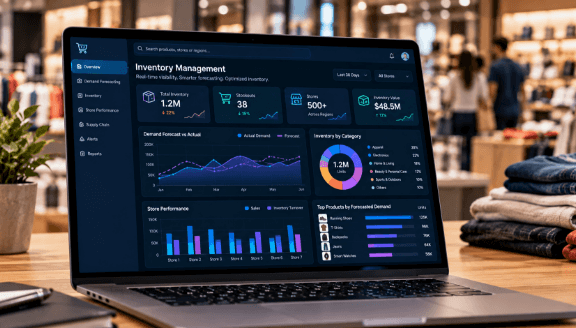
Retail: Demand and Inventory Planning
Use demand forecasting and inventory signals to support better replenishment decisions across locations and channels.
- Reduce avoidable overstock
- Improve product availability
- Support working-capital efficiency
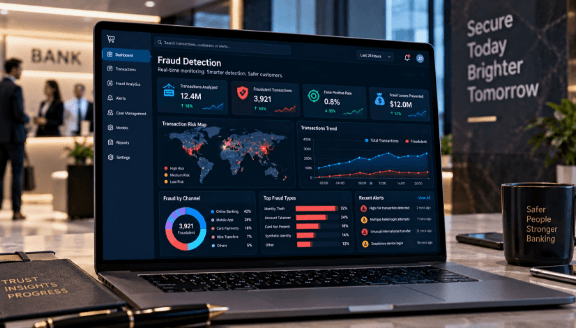
Financial Services: Fraud and Risk Monitoring
Use behavioral and transaction signals to surface unusual activity for investigation.
- Identify suspicious patterns earlier
- Prioritize higher-risk cases
- Reduce unnecessary manual review
Manufacturing: Predictive Maintenance
Use equipment and operational data to identify patterns that may indicate emerging maintenance needs.
- Reduce unplanned interruptions
- Improve maintenance planning
- Support asset availability and reliability

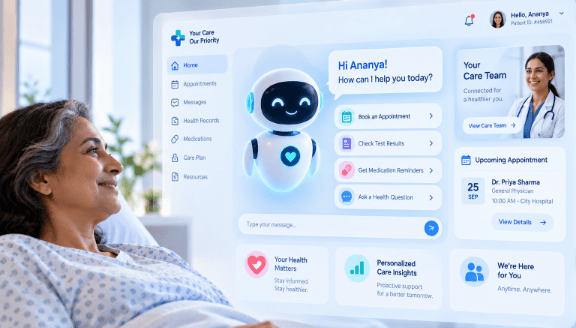
Healthcare: Patient and Service Engagement
Use operational and engagement data to support relevant communication, service coordination, and follow-up.
- Improve outreach prioritization
- Support more consistent engagement
- Give teams better visibility into patient and service needs
Representative AI & ML Use Cases

Retail Supply Chain Optimization
Challenge: Demand and inventory signals are often fragmented or delayed.
Approach: Combine sales, inventory, and demand data to improve forecasting and replenishment.
Business Value: Better inventory decisions, stronger availability, and less manual planning.

Manufacturing Predictive Maintenance
Challenge: Equipment issues are often detected only after performance drops.
Approach: Use sensor and maintenance data to flag patterns that may indicate emerging issues.
Business Value: Earlier intervention, better maintenance planning, and stronger asset utilization.

Financial Fraud Detection
Challenge: Static rules can miss changing fraud patterns and create excess alerts.
Approach: Combine transaction and behavioral signals to identify unusual activity.
Business Value: Faster investigation, better prioritization, and more focused analyst effort.

E-Commerce Customer Churn Prediction
Challenge: Teams may not see warning signs before valuable customers disengage.
Approach: Use behavior and engagement data to identify customers who may need attention.
Business Value: Earlier retention action and more focused engagement.

Insurance Claims Processing
Challenge: Manual triage and document review can slow claims and create inconsistency.
Approach: Classify claims, extract key information, and prioritize cases for review.
Business Value: Faster triage, more consistent processing, and better use of specialist time.

Healthcare Patient Engagement
Challenge: Generic outreach may not reflect patient context or engagement history.
Approach: Use relevant patient and engagement data to support timely, personalized outreach.
Business Value: Better engagement, more focused follow-up, and stronger service coordination.